
Advanced Course in DGBI: Neurogastroenterology and Complementary Diagnostic Methods
Disorders of Gut-Brain Interaction (DGBI) comprise gastrointestinal conditions associated with altered motility, visceral hypersensitivity, mucosal and immune dysfunction, gut microbiota dysbiosis, and altered central nervous system processing. Recognized by the Rome V Criteria, DGBI replace the former "functional disorders" nomenclature, now considered imprecise because it implied a non-organic nature, with an approach grounded in real physiological mechanisms. Among the most prevalent conditions in clinical practice are irritable bowel syndrome, dyspepsia, and constipation and diarrhea related to gut-brain interaction. This advanced course trains healthcare professionals to diagnose and manage the main DGBI using modern diagnostic tools and up-to-date therapeutic strategies, through interactive lectures, discussion of real clinical cases, and biweekly live sessions with specialists from leading institutions.
What you'll learn
- Understand the pathophysiology of Disorders of Gut-Brain Interaction (DGBI) based on the Rome V Criteria
- Diagnose and manage the main DGBI: irritable bowel syndrome, dyspepsia, and constipation and diarrhea related to gut-brain interaction
- Interpret and apply breath test results for SIBO, IMO, food intolerances and H. pylori
- Master complementary tests in neurogastroenterology: esophageal manometry, pH monitoring and anorectal manometry
- Diagnose and treat defecation and pelvic floor disorders
- Apply up-to-date, evidence-based therapeutic strategies for DGBI
- Understand the brain-gut-microbiota axis and its clinical relevance
- Use structured assessment criteria and clinical reasoning in the management of patients with DGBI
Curriculum
Module I — Fundamentals of Disorders of Gut-Brain Interaction
Introduction to DGBI and the Rome Criteria
Historical evolution of functional digestive disorders
Dr. Marcos Antonio Custódio Neto da Silva
Transition to the DGBI concept
Dr. Marcos Antonio Custódio Neto da Silva
Rome IV criteria and updates from the Rome V process
Dr. Marcos Antonio Custódio Neto da Silva
Classification of DGBI
Dr. Marcos Antonio Custódio Neto da Silva
Epidemiological and clinical impact
Dr. Marcos Antonio Custódio Neto da Silva
Pathophysiology of DGBI
Gastrointestinal motility
Dra. Vera Ângelo
Visceral hypersensitivity
Dra. Vera Ângelo
Intestinal barrier dysfunction
Dra. Vera Ângelo
Neuroinflammation
Dra. Vera Ângelo
Genetic and environmental factors
Dra. Vera Ângelo
Brain-Gut-Microbiota Axis
Central nervous system
Dr. Marcos Antonio Custódio Neto da Silva
Enteric nervous system
Dr. Marcos Antonio Custódio Neto da Silva
Gut microbiota
Dr. Marcos Antonio Custódio Neto da Silva
Stress, anxiety and depression
Dr. Marcos Antonio Custódio Neto da Silva
Neuroimmune modulation
Dr. Marcos Antonio Custódio Neto da Silva
Clinical Approach to the Patient with DGBI
Positive diagnosis versus diagnosis of exclusion
Dra. Vera Ângelo
Focused history taking
Dra. Vera Ângelo
Physical examination
Dra. Vera Ângelo
Interpretation of complementary tests
Dra. Vera Ângelo
Live Session
1st Live Session — Clinical Case Discussion
Dra. Vera Ângelo
2nd Live Session — Clinical Case Discussion
Dra. Vera Ângelo
Module II — DGBI in Clinical Practice
Esophageal Disorders
Functional heartburn
Dra. Vera Ângelo
Reflux hypersensitivity
Dra. Vera Ângelo
Functional chest pain
Dr. Moisés Copelman
Globus
Dra. Vera Ângelo
Functional dysphagia
Dr. Moisés Copelman
Gastroduodenal Disorders
Functional dyspepsia
Dra. Vera Ângelo
Belching disorders
Dra. Vera Ângelo
Rumination syndrome
Dra. Vera Ângelo
Nausea, Vomiting and Gastroparesis
Main functional syndromes
Dra. Vera Ângelo
Gastroparesis
Dra. Vera Ângelo
Bowel Disorders
Irritable bowel syndrome
Dra. Adelia Carmen Silva de Jesus
Functional constipation
Dra. Adelia Carmen Silva de Jesus
Functional diarrhea
Dra. Adelia Carmen Silva de Jesus
Functional abdominal bloating/distension
Dra. Adelia Carmen Silva de Jesus
Centrally mediated abdominal pain
Dra. Adelia Carmen Silva de Jesus
Live Session
3rd Live Session — Clinical Case Discussion
Dra. Vera Ângelo
4th Live Session — Clinical Case Discussion
Dra. Vera Ângelo
Module III — Diagnostic Toolkit in Neurogastroenterology
Food Intolerances and Breath Tests
SIBO (small intestinal bacterial overgrowth), IMO (intestinal methanogen overgrowth), ISO (intestinal sulfide overproduction)
Dra. Vera Ângelo
Breath Tests for Food Intolerances
Breath Testing — Theory
Dra. Vera Ângelo
Lactose, fructose, fructan and other carbohydrate intolerance
Dra. Vera Ângelo
Breath Test for Helicobacter pylori
H. pylori diagnosis and testing
Dra. Vera Ângelo
Esophageal Function Tests (Manometry, pH Monitoring, Impedance)
Como investigar os distúrbios motores do esôfago?
Dra. Vera Ângelo
High-resolution esophageal manometry
Dra. Vera Ângelo
Preparo para a Manometria de Alta Resolução
Dra. Vera Ângelo
Introdução à Classificação de Chicago 4.0 e suas métricas
Dra. Vera Ângelo
Esophageal pH monitoring
Dra. Vera Ângelo
Esophageal pH-impedance monitoring
Dra. Vera Ângelo
Clinical-diagnostic correlation
Dra. Vera Ângelo
Live Session
5th Live Session — Clinical Case Discussion
Dra. Vera Ângelo
6th Live Session — Clinical Case Discussion
Dra. Vera Ângelo
Module IV — Defecation and Pelvic Floor Disorders
Anatomy and Physiology of Defecation
Anatomical and physiological basis of defecation
Dra. Eliane Basques
Main Defecation Disorders
Dyssynergic defecation
Dra. Eliane Basques
Slow-transit and outlet constipation
Dra. Eliane Basques
Fecal incontinence
Dra. Eliane Basques
Métodos Diagnósticos (Manometria Anorretal, Tempo de Trânsito Colônico)
Métodos diagnósticos na defecação dissinérgica
Dra. Eliane Basques
Treatment of Defecation Disorders
Pharmacological treatment
Dra. Anna Karoline
Clinical cases
Dra. Anna Karoline
Live Session — Clinical Case Discussion
7th Live Session — Clinical Case Discussion
Dra. Vera Ângelo
8th Live Session — Clinical Case Discussion
Bonus Modules — How I Do It
Dysbiosis: how do I investigate and treat it?
When do I think of dysbiosis?
Dra. Abadia Gilda Buso Matoso
How do I interpret breath tests?
Dra. Abadia Gilda Buso Matoso
How do I treat it?
Dra. Abadia Gilda Buso Matoso
Commented clinical cases
Dra. Abadia Gilda Buso Matoso
Food intolerances: how I reason
Commented clinical cases
Dra. Vera Ângelo
Probiotics: how I prescribe them
How do I choose the probiotic?
Dra. Vera Ângelo
Protocols I use in specific situations
Dra. Vera Ângelo
When I do not use probiotics
Dra. Vera Ângelo
Real cases from my practice
Dra. Vera Ângelo
Complementary therapies: how I use them in practice
Herbal medicines and integrative therapies
Dra. Vera Ângelo
Non-pharmacological therapies for abdominal bloating and abdomino-phrenic dyssynergia
Dra. Vera Ângelo
Commented clinical cases
Dra. Vera Ângelo
Target audience
- Gastroenterologists and general practitioners
- Dietitians interested in digestive health and Disorders of Gut-Brain Interaction
- Nurses working in gastroenterology
- Pelvic floor physiotherapists and those specialized in digestive motility
- Other healthcare professionals interested in neurogastroenterology
What's included
- 96 hours of total coursework (August to November 2026)
- Classes start: Monday, August 3, 2026
- First live session: Wednesday, August 5, 2026, at 7:30 pm (Brasília time)
- 16 topics with recorded lessons, across 4 modules of 20 hours each
- "How I Do It" Bonus Modules, with 16 hours of practical content
- Biweekly live sessions for clinical case discussion and Q&A
- Online assessments at the end of each module
- Certificate of completion issued by FACOP, an institution accredited by Brazil's Ministry of Education (MEC)
- Up-to-date supplementary material provided throughout the course
- Access to the NU.V.E.M Ensino platform for the entire course period
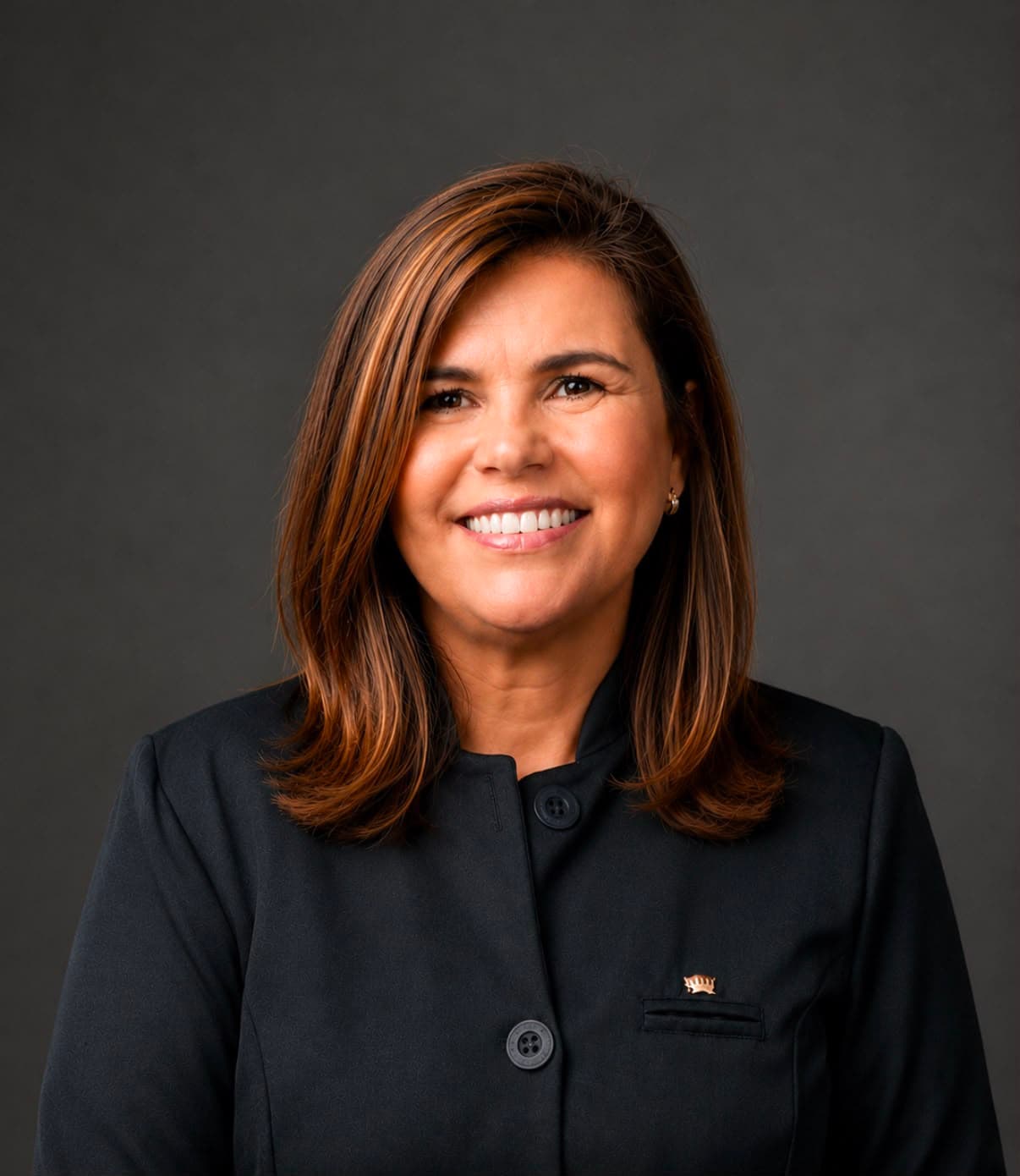
Dra. Vera Ângelo
Gastroenterologia & Motilidade Digestiva · CRM-MG 22284
Médica gastroenterologista. Especialista em Neurogastroenterologia e Manometria Digestiva pelo Hospital Israelita Albert Einstein Mestre e Doutora em Patologia pela Universidade Federal de Minas Gerais. Atua há 30 anos na formação de profissionais em Motilidade Digestiva, Neurogastroenterologia Microbiota Intestinal e Testes Respiratórios. Palestrante em eventos nacionais e internacionais e autora de vários livros e publicações científicas. Diretora Científica da NU.V.E.M Ensino. Diratora Técnica da NU.V.E.M Medicina.

Qualidade e Reconhecimento
Reconhecido pelo MEC
Os cursos da NU.V.E.M Ensino são oferecidos em parceria com a Faculdade FACOP, reconhecida pelo Ministério da Educação (MEC) para oferta de cursos presenciais e EAD, garantindo qualidade acadêmica e certificação válida em todo o território nacional.

Certificação ISO 9001
Possuímos certificação internacional de qualidade ISO 9001, que atesta a excelência em nossos processos de gestão, metodologias de ensino e entrega de conteúdo.
Perguntas Frequentes
Terei acesso permanente às aulas após a exibição de cada módulo?
Sim! Após a liberação de cada módulo, você tem acesso permanente a todas as aulas. Assista quantas vezes quiser, no horário que preferir.
Os módulos são liberados todos de uma vez ou em datas diferentes?
Os módulos seguem um calendário de liberação progressiva (drip content). Cada módulo é disponibilizado na data programada, para que você acompanhe o conteúdo de forma estruturada. Após liberado, permanece acessível para sempre.
Posso assistir às aulas em qualquer horário?
Sim. Todo o conteúdo é 100% assíncrono e fica disponível 24h por dia. Você estuda no seu ritmo, sem horário fixo.
Haverá material de apoio ou apostilas?
Sim. Materiais complementares são disponibilizados dentro da plataforma ao longo do curso.
Sou aluno Nuvem. Como consigo meu desconto?
Alunos com matrícula ativa em outro curso da NU.V.E.M têm desconto especial. Entre em contato pelo WhatsApp para receber seu cupom personalizado.
Não consigo acessar minha conta ou redefinir a senha. O que faço?
Clique em 'Esqueci minha senha' na tela de login. O e-mail de redefinição pode cair no spam — verifique essa pasta. Se o problema persistir, fale conosco pelo WhatsApp.
Ainda tem dúvidas? Fale conosco no WhatsApp